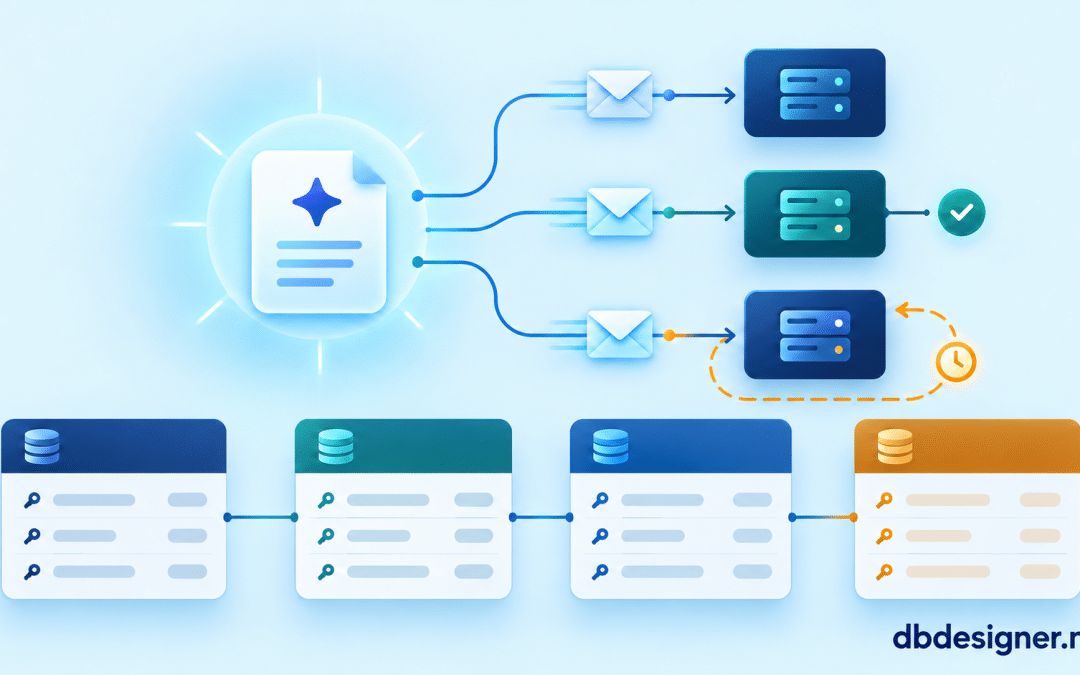
A customer updates an order. Your application sends a webhook to three partner systems. Two respond successfully; the third times out. Five minutes later, support asks whether that partner received the update, what was sent, and whether retrying will create a...
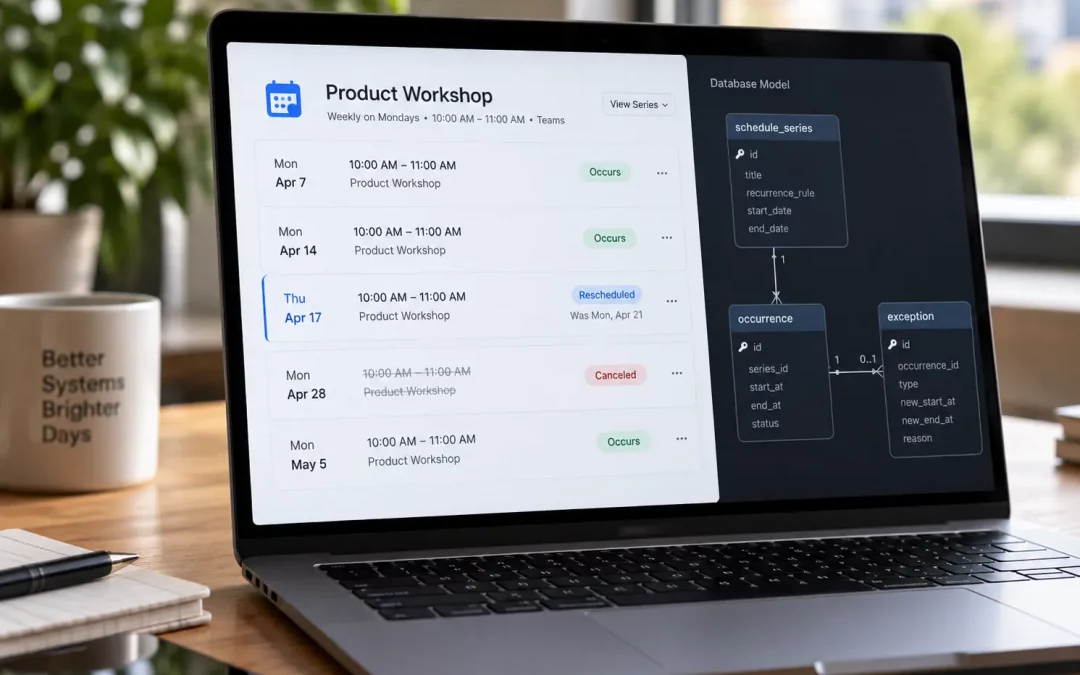
How to Design a Database for Recurring Appointments and Schedule Exceptions A customer books a workshop every Wednesday at 9:00 AM. Three weeks later, the instructor moves one session to Thursday. The following week is canceled because the building is closed....
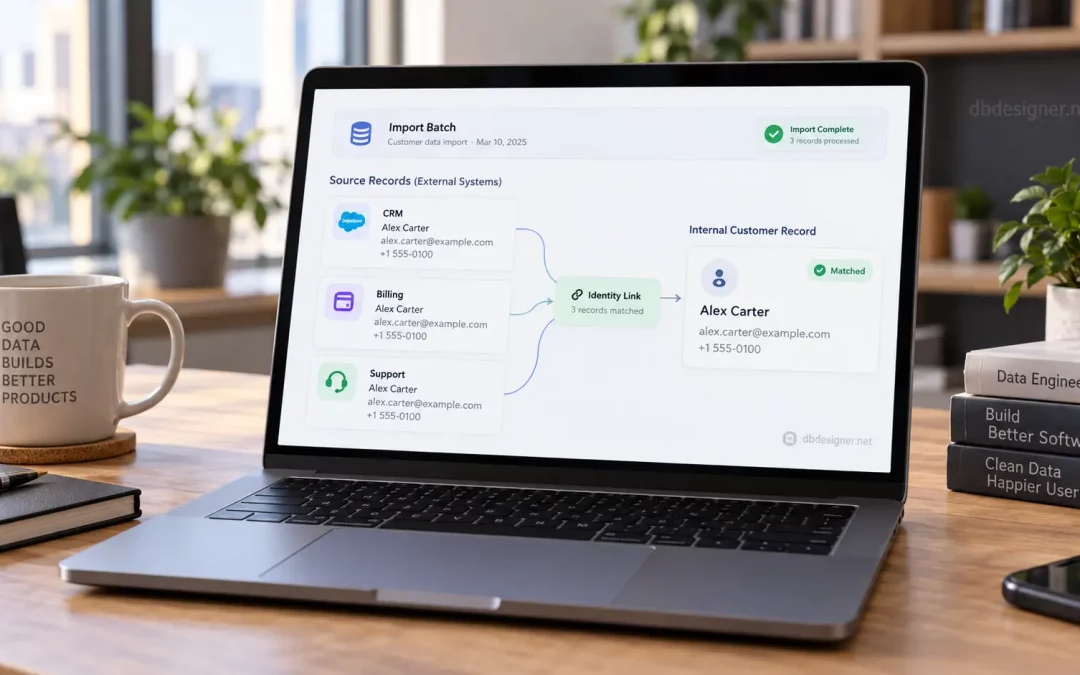
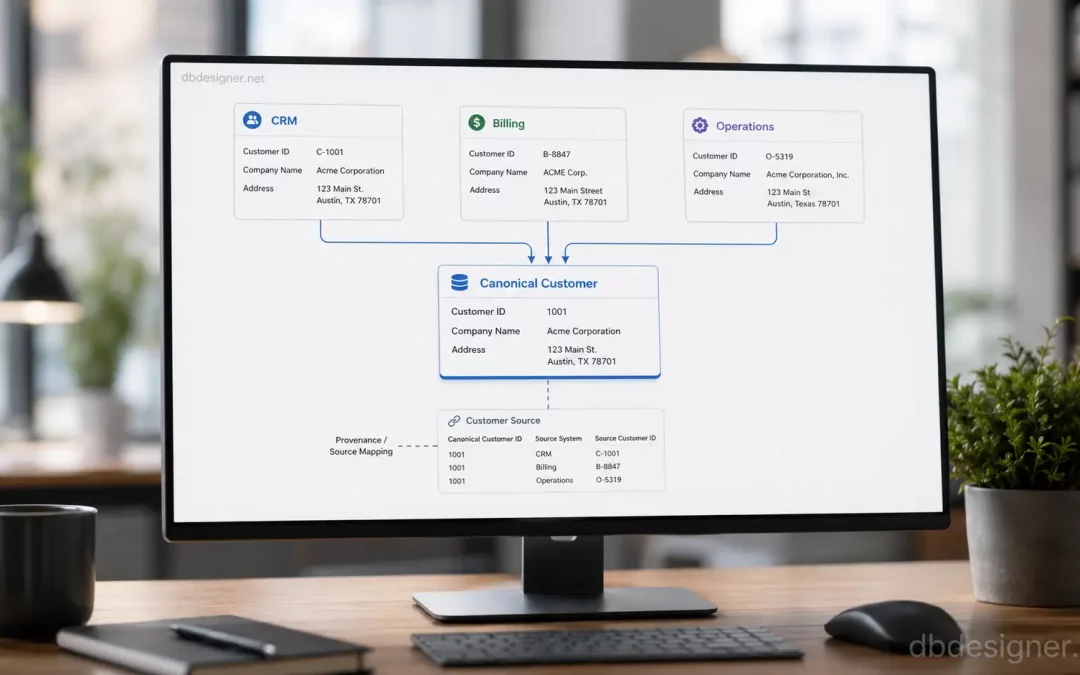
How to Design a Database for External Data Imports Without Losing Identity A company imports customer records from three systems. The CRM contains [email protected]. The billing platform contains [email protected]. An older marketplace export contains the same...
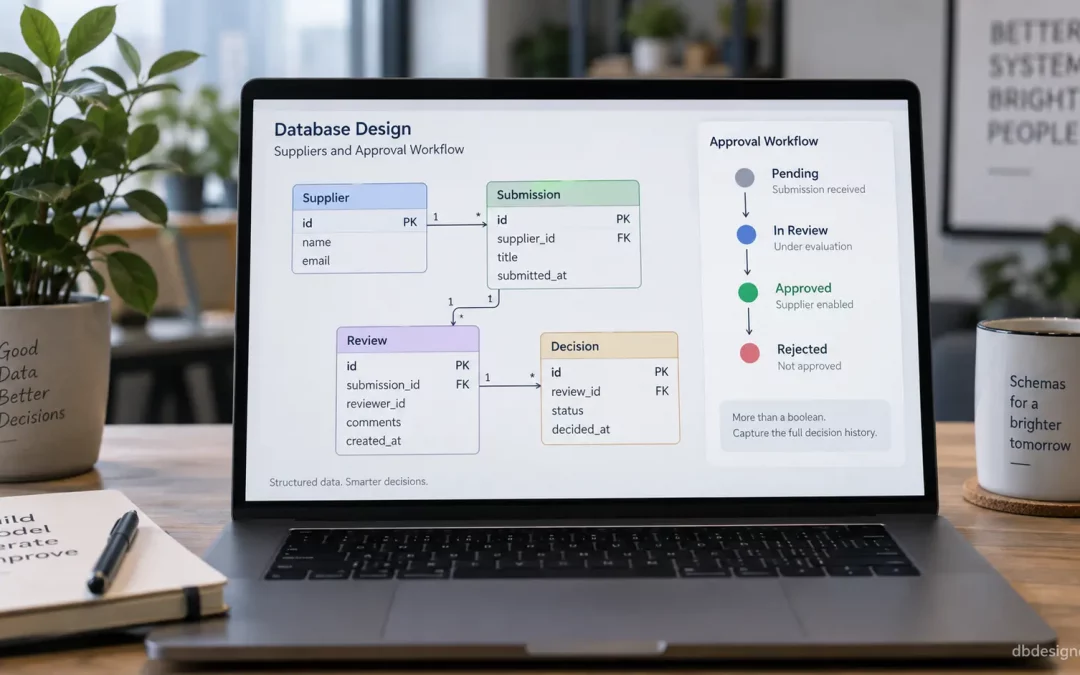
How to Model Approval Workflows in a Database Without Boolean Chaos A supplier application has been approved. Then its bank details change. Is the supplier still approved? The answer sounds like a business-policy question, but it quickly becomes a database design...
When Your Data Sources Disagree: Designing a Database That Preserves the Truth A company is preparing to replace three old systems with one new database. The CRM says customer 1842 is called Northstar Labs. The billing system says Northstar Laboratories Ltd. A...
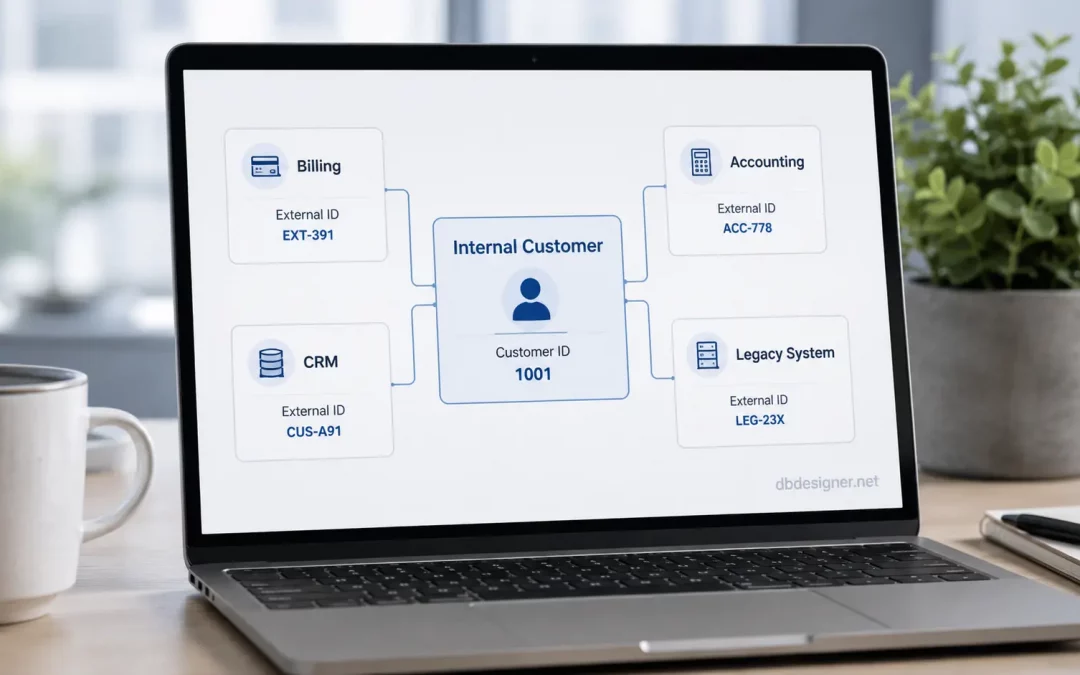
External IDs Are Not Your IDs: Modeling Identity Across Systems A backend team adds one column to the customer table: stripe_customer_id Six months later, another integration arrives: hubspot_contact_id Then the company migrates its support platform, imports customers...

Recent Comments